


Trade shows put brands on display under bright lights, tight schedules, and high visibility. For trade show managers and marketing teams, there is little margin for error. Exhibits must arrive on time, in sequence, and in the right condition, or the entire show schedule can be at risk.
Behind every successful booth is careful planning and disciplined execution. Trade show exhibit shipping is not a last-minute task. It is a structured process that requires experience, coordination, and consistent communication long before the show floor opens.
This blog pulls back the curtain on what actually has to go right behind the scenes to get an exhibit to the show floor without damage or delays, and why experienced trade show logistics matter long before the doors open.
1. Planning Around the Exhibit Prevents Last-Minute Failure
Every exhibit is built differently. Custom materials, graphics, technology, and modular components all bring their own handling and timing requirements. Treating an exhibit like a standard shipment is often where problems begin.
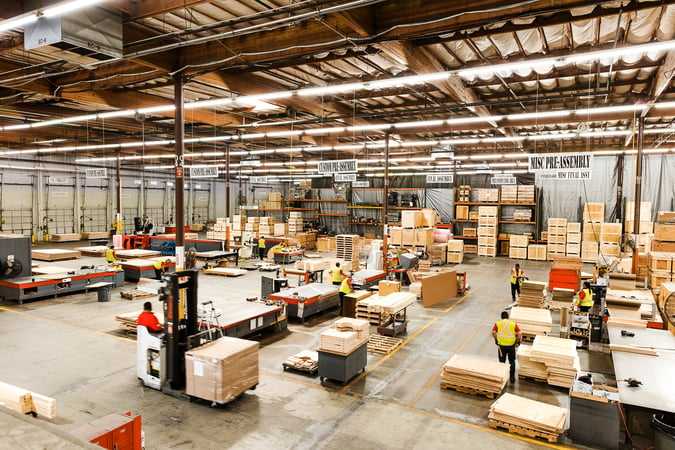
Legacy plans around the exhibit itself first. Packaging, materials, dimensions, weight, and handling needs are reviewed early so the shipment plan reflects how the exhibit is built and how it will be received at the venue. This early planning helps reduce unnecessary handling and avoids extra handoffs that can introduce risk as timelines tighten.
That preparation becomes especially important when plans change.
In one case, a client experienced a testing delay just before pickup. The exhibit still needed to arrive in Chicago in time for setup, or the show would be compromised. Because the shipment had already been planned around the exhibit’s requirements, the team was able to adjust quickly. An additional driver was added, coordination stayed tight, and the shipment arrived on time. What could have been a show-stopping delay became a smooth recovery.
2. The Right Equipment and Handling Protect Show-Ready Assets
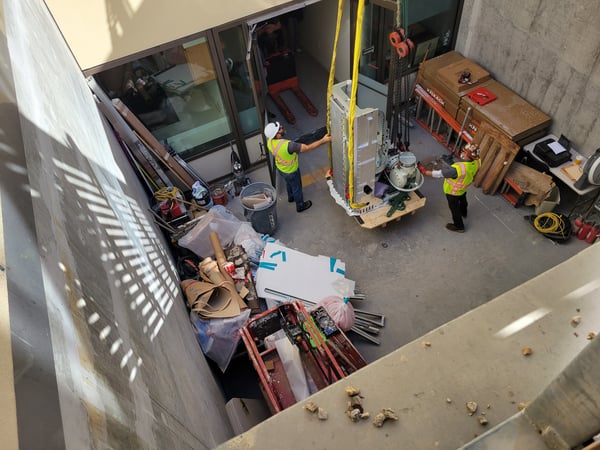
Trade show venues are rarely simple. Dock heights vary, access points are limited, and move-in windows are tightly controlled. Without the right equipment and experienced handling, even a short delivery can turn into a problem.
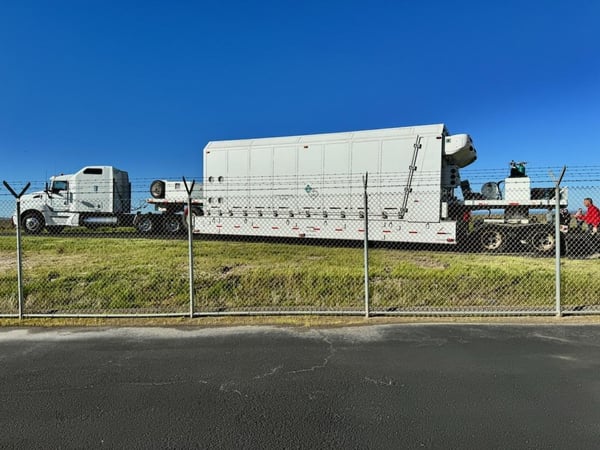
Legacy matches specialized equipment, including liftgates and exhibit-appropriate trailers, to the specific needs of each shipment. Teams familiar with exhibit logistics understand how to handle fragile, custom-built components so they arrive ready for move-in, not in need of repair.
This attention to equipment and handling helps protect more than just the exhibit itself. It protects setup schedules, labor planning, and the confidence of the teams waiting on the show floor.
3. Coordination Is What Keeps Tight Windows on Track
As delivery approaches, coordination becomes critical. Marshaling yards, delivery appointments, and venue access rules leave little margin for error. Miss one detail, and delays can cascade.
Legacy manages delivery windows and communication with site contacts and exhibit partners as part of a single, coordinated process. Timelines are monitored closely so adjustments can be made early.
That coordination is what made the difference for a longtime client. At 3:47 p.m. on a Friday, they called with last-minute graphics that needed pickup and delivery to Las Vegas by Sunday. Operations was contacted to confirm driver availability, then the order was placed. The driver picked up the shipment at 5:38 p.m., checked in at the marshaling yard by 7 a.m. Sunday, and completed a direct delivery to the Las Vegas Convention Center. The client called to thank us: quick coordination and clear communication saved the day.
4. Consistent Support Across Multiple Shows
For teams managing busy show schedules, inconsistency is one of the biggest sources of stress. Different venues, different rules, and different partners can make every show feel like starting over.
Legacy supports trade show logistics nationwide through planning, coordination expertise, and trusted partnerships. Even as locations and schedules change, the approach stays the same. One accountable partner, clear communication, and standards that carry from show to show.
That consistency allows trade show managers, marketing teams, and exhibit partners to focus on execution instead of logistics management.
A Better Way to Support a Busy Show Schedule
When every show is treated like a one-off, logistics become harder to manage and easier to get wrong. Consistent planning and coordination across events helps teams stay organized, even as venues and schedules change.
Legacy works with exhibit teams and marketing groups to support trade show logistics nationwide, providing a steady, predictable approach from show to show.
Ready to review your upcoming exhibit schedule and priorities with an experienced logistics team?