


Transporting solar panels and renewable energy equipment requires more than standard transportation services. These high-value products can be sensitive to vibration, flexing, and improper handling, making the right equipment and careful planning essential to protecting each shipment.
When transportation isn't properly coordinated, the consequences can extend beyond damaged equipment. Missed delivery windows, installation delays, and unexpected costs can disrupt an entire project.
With more than 35 years of experience handling specialized shipments, Legacy understands what it takes to protect sensitive equipment while keeping critical timelines on track.
What Are the Biggest Challenges When Shipping Solar Equipment?
Solar equipment presents unique transportation challenges that standard carriers may not be equipped to handle. From fragile solar panels to oversized renewable energy components, each shipment requires careful consideration of its size, weight, sensitivity, and delivery requirements.
Common challenges include:
- Equipment damage: Excessive vibration, improper securement, and rough handling can compromise sensitive components during transit.
- Delivery delays: Missed deadlines can disrupt installation schedules, delay project completion, and create additional expenses.
- Site access restrictions: Limited unloading areas, equipment requirements, and jobsite restrictions can complicate final delivery.
- Inadequate transportation planning: Using equipment that isn't suited to the shipment can increase the risk of damage and scheduling complications.
Addressing these challenges begins before the equipment leaves the facility. The right transportation partner evaluates the shipment's requirements, identifies potential obstacles, and develops a plan that accounts for handling, transportation, and delivery.
How Does Direct Control Improve Transportation Reliability?
For high-value solar equipment, consistent handling, clear communication, and reliable scheduling are essential. Working with a transportation partner that maintains direct control over its drivers, equipment, and operations can provide greater oversight and accountability throughout the transportation process.
Legacy saw the importance of this approach when a solar equipment manufacturer approached our team after experiencing recurring equipment damage and delivery delays with its previous brokered transportation arrangements. These challenges had also resulted in liquidated damages, increasing the manufacturer's overall transportation costs.
The manufacturer needed a transportation partner that could provide greater consistency in equipment handling, driver accountability, and delivery scheduling.
Legacy developed an asset-based transportation solution using our specialized fleet and professional drivers. With direct oversight of the transportation process, our team addressed the recurring damage and service challenges the manufacturer had previously experienced, improving reliability, accountability, and overall service quality.
This experience highlights an important lesson: the lowest transportation rate does not always translate to the lowest overall cost. For sensitive, high-value equipment, damage, delays, and associated financial penalties can quickly outweigh initial transportation savings. Working with an experienced, asset-based partner like Legacy helps reduce these risks through careful planning, specialized handling, and direct operational control.
How Does Specialized Equipment Protect Solar Shipments?
Not every solar shipment requires the same transportation solution. Selecting the right trailer and handling procedures depends on the equipment's dimensions, weight, sensitivity, and destination.
Legacy's specialized fleet includes high-cube, flat-floor, liftgate, air-ride, and temperature-controlled transportation options to accommodate a variety of shipment requirements.
For solar panels and other renewable energy components, proper equipment selection and securement help minimize exposure to vibration, shifting, and other conditions that can cause damage during transit.
Our team evaluates each shipment to determine:
- The appropriate trailer and equipment configuration
- Loading, securement, and handling requirements
- Pickup and delivery schedules
- Jobsite access and unloading considerations
- Any additional protection or specialized services needed
As an asset-based carrier, Legacy combines company-operated equipment with experienced drivers and dedicated logistics professionals. This approach allows us to maintain greater consistency in how shipments are planned, handled, and delivered.
How Can Warehousing and Integrated Logistics Support Solar Projects?
Solar equipment manufacturing and installation schedules don't always align. Equipment may be ready to ship before a project site is prepared to receive them, creating storage challenges and unnecessary pressure on manufacturing operations.
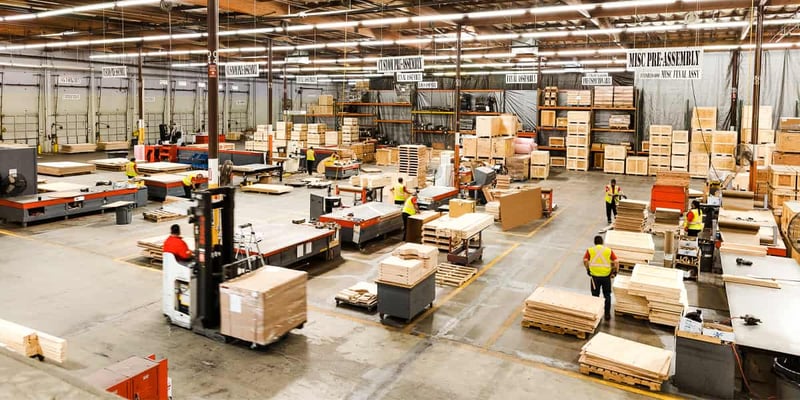
Legacy's warehousing and inventory management services help manufacturers manage these timing differences by providing flexible storage, inventory coordination, and scheduled distribution.
For one growing renewable energy manufacturer, limited manufacturing space had become an operational challenge. Legacy provided warehousing and inventory management services, allowing the company to dedicate more of its facility and resources to production.
The manufacturer reported improved operational efficiency and order fulfillment, reduced downtime, and greater flexibility to support continued growth.
Beyond warehousing, Legacy offers custom crating and packaging, rigging, specialized transportation, and final-mile delivery services. Bringing these capabilities together under one accountable logistics partner helps simplify communication and reduce the complexity of managing multiple providers.
With access to additional resources through the UniGroup Logistics network, Legacy can also support transportation and warehousing needs across North America.
What Is the True Cost of Solar Equipment Shipping Delays?
Transportation costs involve more than the initial shipping rate, especially when handling high-value equipment with strict delivery requirements.
A damaged or delayed solar shipment can create expenses that extend throughout the project, including replacement equipment, additional handling, rescheduled installation crews, and potential contractual penalties.
In some cases, missed delivery deadlines can result in liquidated damages, which are predetermined financial penalties established in a contract.
These potential costs make it important to evaluate transportation providers based on more than price alone.
An experienced logistics partner helps identify risks early, coordinate delivery requirements, and establish a transportation plan designed to minimize disruptions. For solar manufacturers and project teams, that level of preparation can make a meaningful difference in protecting both equipment and project schedules.
What Should You Look for in a Solar Equipment Transportation Partner?
Choosing the right logistics provider means finding a team that understands the requirements of high-value, sensitive equipment and has the resources to support your project.
Before selecting a transportation partner, consider asking:
- Asset-based capabilities: Does the provider operate its own specialized equipment and employ experienced drivers?
- Shipment planning: How does the team determine the appropriate trailer, handling procedures, and delivery requirements?
- Integrated services: Can the provider coordinate warehousing, crating, rigging, and final-mile delivery when needed?
- Communication and accountability: Will you have a dedicated point of contact who understands your shipment and can address issues as they arise?
For more than 35 years, Legacy has helped businesses navigate complex transportation and logistics challenges. Our combination of specialized equipment, experienced professionals, and integrated services allows us to develop solutions tailored to the needs of each shipment.
Plan Your Next Solar Shipment With Legacy
Whether you're experiencing equipment damage, navigating tight delivery schedules, or looking for a more dependable transportation partner, Legacy can help.
Our team will work with you to understand your solar equipment, identify potential challenges, and develop a logistics plan that supports your operational needs.