


Many logistics breakdowns don't happen during transit, storage, or rigging. They happen at the seams between vendors. Juggling multiple providers, timelines, and handoffs leaves project managers managing chaos instead of outcomes.
Here’s what changes when one accountable logistics partner coordinates transportation, warehousing, crating, rigging, and delivery requirements as part of the same plan.
What Does It Take to Build One Coordinated Logistics Plan?
Before a shipment leaves its origin, the real question isn't just about transportation. It's about the entire project: what's being shipped, when it needs to arrive, what happens to it along the way, and what the final delivery actually looks like.
From there, the things that can derail a project later get identified early, while there's still time to solve them instead of reacting to them:
- Site access
- Storage and staging
- Crating requirements
- Equipment needs
- Rigging
- Delivery sequence and timing
It's much easier to solve a scheduling or access issue in advance than when a truck and crew are already sitting at the site.
Where Do Multi-Provider Logistics Projects Actually Break Down?
Usually at the handoffs. Each provider might do its own part well: a trucking company that runs on time, a warehouse that stores things correctly, a crating team that builds a solid crate. But someone still has to make sure they're all working from the same plan.
When one partner coordinates the project, that someone is a dedicated team managing the handoffs and any changes that come up along the way. Instead of calling several companies to figure out what happened or what needs to change, the client has one team responsible for keeping the project on schedule.
What Changes When Transportation, Warehousing, Crating, and Rigging Are Coordinated by One Team?
Each step gets planned around what happens next. A crate isn't designed only to protect the product. Its design can account for how the item will be loaded, transported, unloaded, and positioned at its destination. When the project requires it, goods moving through the warehouse can be staged around delivery and installation sequencing rather than simply in the order they arrived.
It also means more flexibility when plans change. If a site isn't ready or a delivery date moves, transportation, storage, and rigging can all get adjusted together, rather than the client coordinating those changes across several different providers.
A High-Value Aerospace Shipment, Coordinated Start to Finish
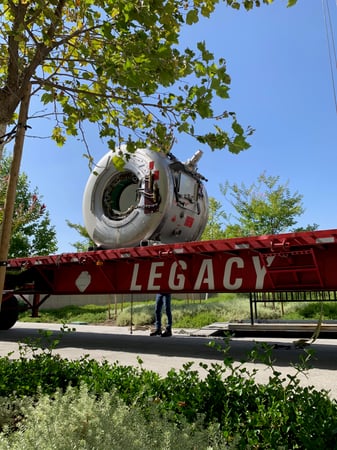
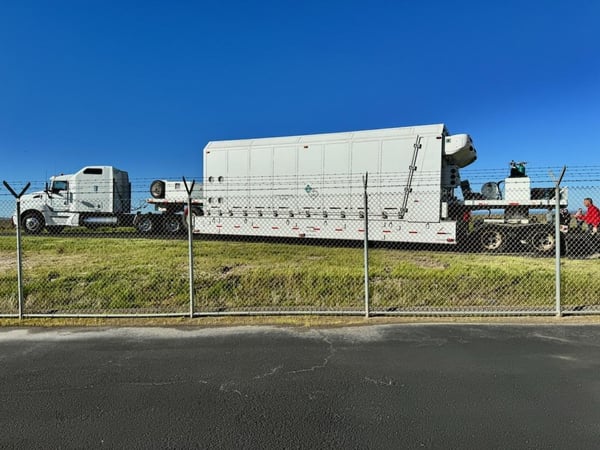
One project involved a high-value aerospace shipment with specialized handling requirements and a delivery schedule tied to the client's larger program. After experiencing delays with a previous provider, the client needed a more coordinated approach.
Legacy managed the transportation, equipment, handling, and delivery timing around the client's schedule. By coordinating these requirements as one project, the shipment arrived when needed while reducing the logistics and handoffs the client's team had to manage.
What Changes for the Client When Legacy Takes Responsibility?
With several providers, someone on the client's team usually ends up becoming the de facto logistics coordinator: calling the trucking company, checking with the warehouse, confirming the riggers, and updating everyone when something changes.
When one team manages the project, most of that coordination moves off the client's plate. The client stays informed and makes the important decisions, but doesn't have to manage every vendor and every handoff. They have one team and one point of accountability.
What Problems Can a Coordinated Approach Help Prevent?
Sometimes the best result is a deadline met or a problem the client never has to deal with. Access issues, incorrect delivery information, and scheduling conflicts have been caught before trucks were ever dispatched, avoiding failed deliveries and delays before they happened.
Warehousing has also freed up space for clients' production lines, with equipment staged around installation schedules instead of sitting in the way. The overall impact is fewer handoffs, less time spent coordinating vendors, and fewer opportunities for something to fall through the cracks.
Can One Logistics Partner Really Coordinate It All?
It's a fair question. The advantage isn't simply having multiple capabilities available. It's having one accountable team build and coordinate the plan across transportation, warehousing, crating, rigging, and final delivery requirements.
The answer isn't a sales pitch. It's walking through the project together: how each stage would be handled, what issues might come up, and how the pieces fit together. Equipment, facilities, and access to resources nationwide matter but the confidence clients gain comes from seeing that Legacy understands the entire project, not just one piece of it.
A logistics project rarely fails at any one stage. It fails in the gaps between them: the handoffs nobody quite owns.
One accountable partner closes those gaps before they become your problem.
If your next project requires transportation, warehousing, crating, rigging, or a combination of services, talk with Legacy about building one coordinated plan.