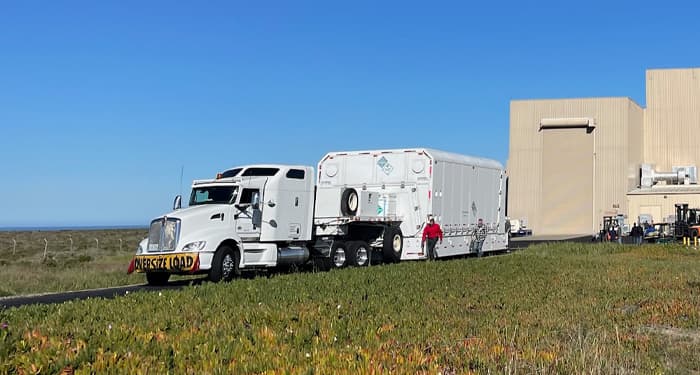
Aerospace shipments operate on fixed schedules, complex coordination requirements, and tightly controlled handling conditions. When transportation and logistics planning fall short, issues surface quickly. A delivery that arrives outside the required window, equipment that is not handled to specification, or misalignment between teams can disrupt project timelines and create pressure across the organization.
One aerospace organization addressed these challenges by shifting to a more structured approach to planning and coordination with Legacy’s specialized logistics services.
From Delays to Consistent Execution
In this case, the aerospace organization was managing a high-value, sensitive shipment tied directly to a fixed launch schedule.
There was no flexibility in timing. The delivery needed to align precisely with downstream engineering and testing milestones, and any delay would have affected multiple teams and required adjustments across the broader project timeline.
Before working with Legacy, the organization had experienced repeated delays with its previous provider. Over time, these issues led to financial penalties, project setbacks, and a growing lack of confidence in the logistics process. They needed a partner who could bring consistency and precision back to their operations.
Legacy approached the shipment differently by aligning planning, equipment, and coordination from the start. Delivery timing was mapped directly to the project schedule, equipment was selected based on the sensitivity of the shipment, and communication was managed through a single accountable team and point of contact.
As the shipment progressed, each phase remained aligned to the plan. Pickup, transit, and delivery were coordinated to support the required timeline, and all stakeholders maintained the visibility they needed throughout the process.
The shipment arrived as scheduled, meeting all handling requirements, and the organization maintained its timeline without disruption.
More importantly, the aerospace team had found a solution to their high-value shipping and logistics needs. Instead of depending on an unreliable provider, the organization gained a structured approach and a trusted partner they could rely on for future shipments, supported by aerospace logistics services.
Why This Matters
In high-value, time-sensitive environments, logistics issues rarely originate at delivery. They develop earlier through gaps in planning, alignment, or coordination.
These gaps may not be visible at first, but they become more difficult to address once a shipment is in transit. Over time, they introduce variability that affects timelines, costs, and overall confidence in execution.
A more structured approach to transportation and logistics helps reduce that variability by aligning planning, equipment, and communication from the start.
Supporting High-Value Aerospace Shipments
Aerospace logistics require careful handling, specialized equipment, and coordination across complex supply chains. Shipments often involve sensitive components, nonstandard dimensions, and strict timing requirements that must align with broader operational schedules.
Legacy supports these environments by aligning transportation, equipment, and communication under a single accountable team. With a structured approach to planning and execution, organizations can maintain control across high-value, time-sensitive shipments.